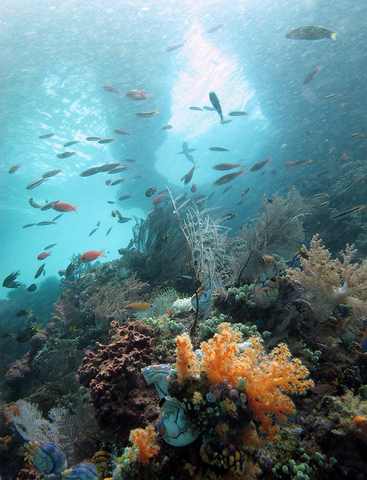
Diver’s paradise as Raja Ampat has a vast marine life diversity that would wow even the most seasoned diver. It is part of the world’s Coral Triangle which is known for housing more than 3000 species of fish and other extraordinary habitats that breeds the biodiversity of its marine life. Many scientists still travel there today to discover new species in the ocean. You may well put this place into your list of diving trips! Also, Raja Ampat is a remote place almost left untouched by development and only touched by explorers that are nature lovers and independent travellers that care and travel responsibly. Here you can also meet with the local Papuan people and directly contribute to their living and get to immerse in their culture.
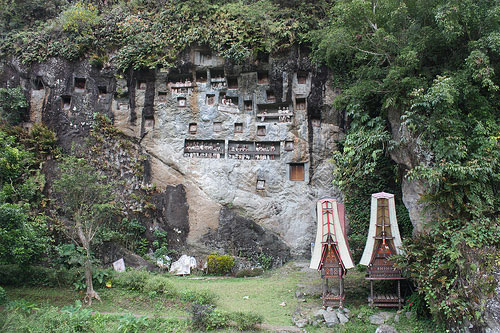
To see the rare, ancient rites and unique of the Toraja people, almost impossible to find nowadays in accessible areas.Tana Toraja, almost unchanged for the last 100 years, is set in a stunning setting far out from globalisation or tourism, but still accessible given some small effort. Observe the burial rites of Toraja people. After the person’s death, the body is kept for several years while they save the money for actual funeral known as Tomate!
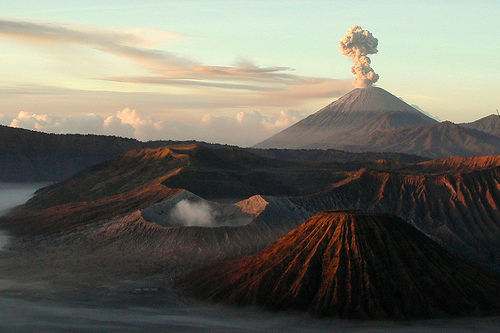
Mount Bromo
Mount Bromo which stands tall at 2329 m is one of the most iconic mountain in Indonesia. It beckons majestically despite having the entire top blown off and with a crater inside that keeps spewing off white sulphurous smoke. Mount Bromo is still one of the most active volcanoes in the world and there are areas that are blocked off from tourists due to its imminent danger. It sits inside the massive Tengger caldera (volcanic crater with diameter approximately 10km), surrounded by the Laut Pasir (sea of sand) of fine volcanic sand. This breathtaking and ethereal landscape have been swooned by many travelers alike. To be awe in nature’s best combination of beauty and danger, an active volcano that can be so foreboding and desolate yet so beautiful. The view itself is almost out of this world and be the reason enough to go there!
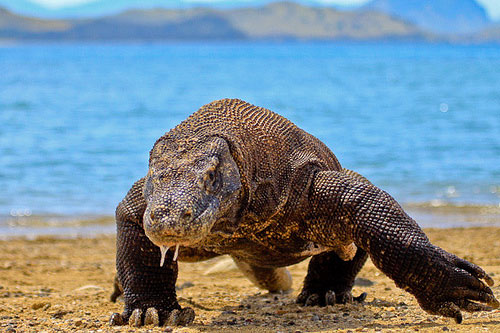
Being one of the UNESCO World Heritage Site in Indonesia, it is one of the must visit places in Indonesia. The park is situated in the Wallacea Region and identified by WWF and Conservation International as global conservation priority area. It is the home to the Komodo Dragon, known as Ora to the Indonesians, and as a refuge for many other wild terrestrial species, with mixture of Asiatic and Australian origins. It is also rich marine life, consisting of over 1000 species ranging from reptiles like sea turtles to mammals like dolphins and whales, and also 250 species of reef coral. There are even chance of sighting flying foxes (fruit bats) at night across star-filled night sky.

Nurtured from the seed of a single great idea - to empower the traveller - SAVERTRIPS went on to pioneer the entire travel industry in India.
SAVERTRIPS has revolutionised the travel industry over the years. This is the story of SAVERTRIPS